
How to Protect Your Foundation During Heavy Rainfall
Heavy rainfall can be both a blessing and a curse for homeowners. While it nourishes gardens and replenishes water supplies, excessive rain poses a serious risk to the structural integrity of your home’s foundation. Foundations are designed to support the weight of a building and maintain its stability, but prolonged exposure to water can lead to soil erosion, hydrostatic pressure, and even cracks that compromise the overall safety of your property. In extreme cases, unchecked water intrusion can result in basement flooding, wall bowing, or uneven settling, all of which can significantly decrease property value. Understanding how to safeguard your foundation during periods of heavy rain is not just a preventative measure—it is a critical aspect of long-term property maintenance. Proper foundation care ensures your home remains durable, safe, and capable of withstanding the unpredictable forces of nature.
The importance of foundation protection extends beyond structural concerns. Water damage can create pathways for mold, weaken interior flooring, and lead to costly repairs that disrupt daily life. Left unaddressed, these issues can escalate, affecting electrical systems, indoor air quality, and overall habitability. Homeowners and property managers alike must be proactive in addressing drainage issues, soil management, and preventive construction strategies to mitigate these risks. This blog explores practical, expert-backed techniques to protect your foundation during heavy rainfall. From landscaping adjustments to drainage systems and emergency precautions, we will provide actionable insights that ensure your home remains secure, dry, and structurally sound during even the most challenging weather conditions. By implementing these strategies, you can prevent damage before it occurs and protect your investment for years to come.
1. Understanding the Risks to Your Foundation
Soil Saturation and Hydrostatic Pressure
When heavy rain saturates the ground surrounding your home, the soil expands and shifts, creating significant pressure against foundation walls. This phenomenon, known as hydrostatic pressure, occurs when water accumulates in the soil and pushes laterally against the foundation. Over time, this pressure can cause cracks, bowing walls, or even foundation settlement. Homeowners often underestimate how quickly saturated soil can compromise structural integrity, especially in regions with clay-heavy soils that retain water for longer periods.
Common Foundation Problems from Excessive Rain
Excessive rainfall can lead to a range of foundation issues, including:
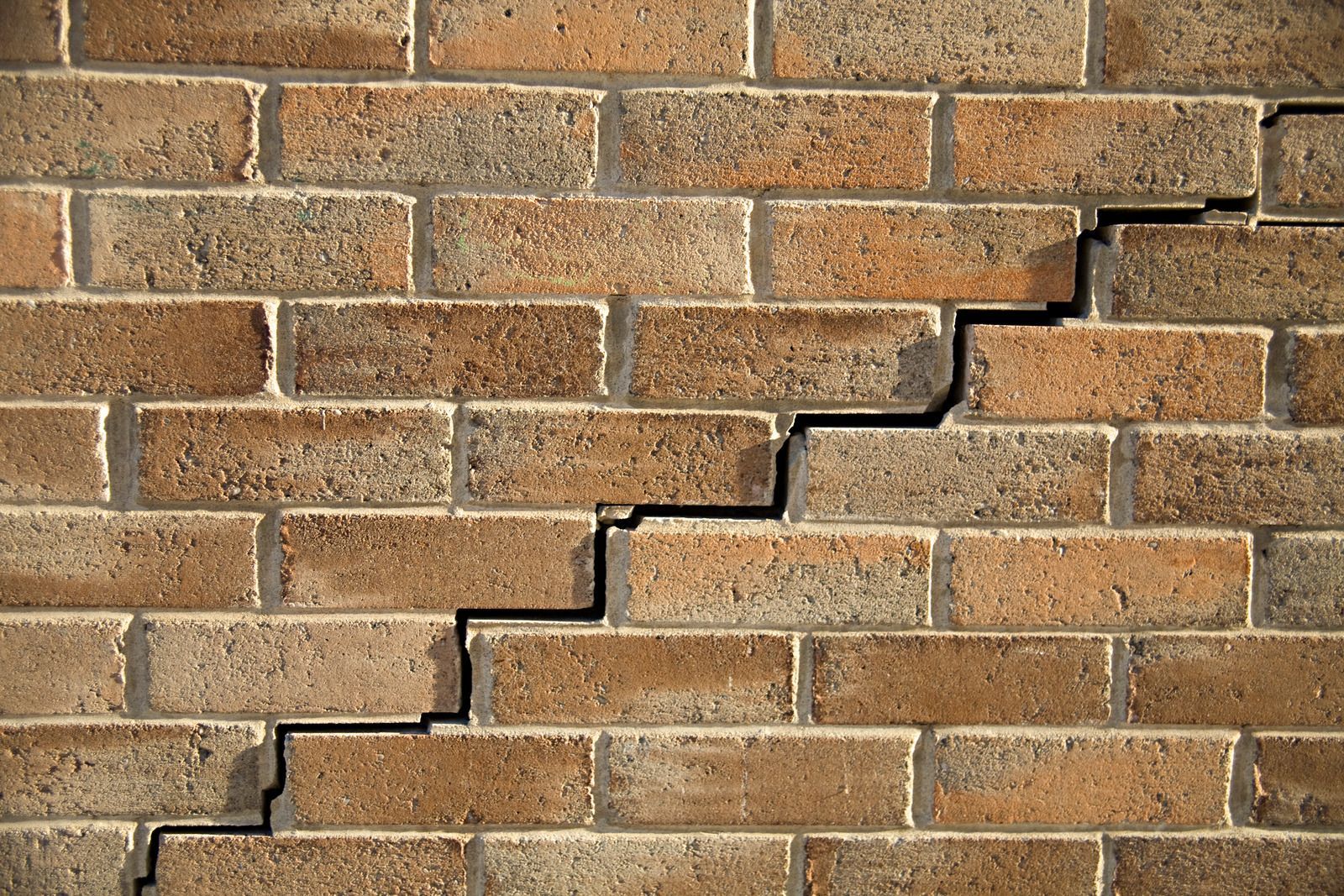
- Cracks in walls and floors: Small fissures can expand over time, affecting both interior and exterior walls.
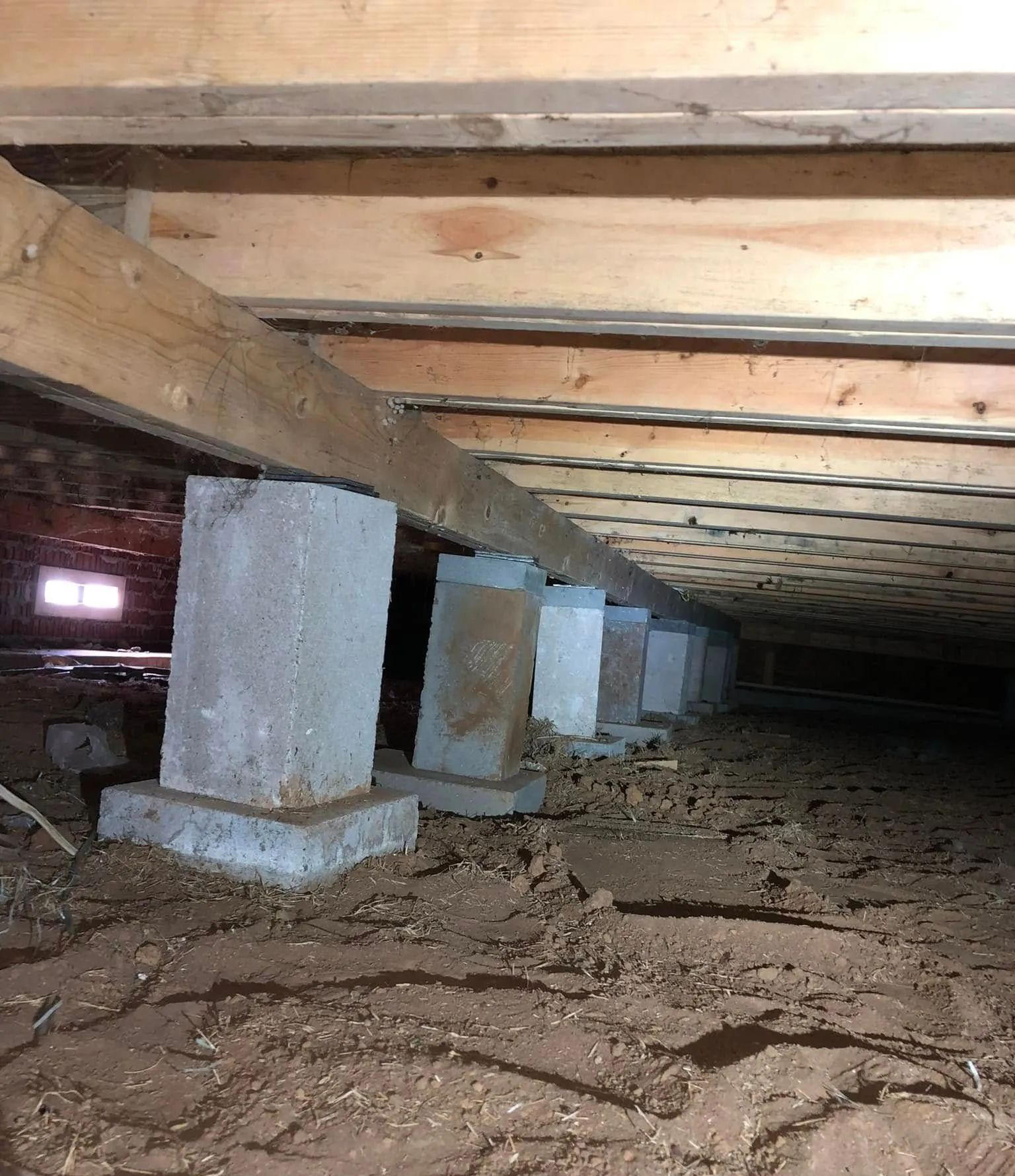
- Uneven settling: Prolonged water exposure can cause certain areas of the foundation to sink or shift, leading to uneven floors and door misalignment.
- Basement flooding: Water infiltration often occurs through cracks or poorly sealed joints, resulting in dampness, mold growth, and potential electrical hazards.
Understanding these risks is the first step toward implementing effective preventative measures.
2. Effective Drainage Solutions
Installing Proper Gutters and Downspouts
A primary cause of foundation water damage is poor roof drainage. Gutters that overflow or downspouts that direct water toward the foundation can create persistent moisture problems. To protect your home, ensure gutters are clean and free of debris, and extend downspouts at least 6–10 feet away from the foundation. This simple adjustment reduces water pooling near critical structural elements..
French Drains and Perimeter Drainage Systems
For homes in low-lying areas or regions with heavy rainfall, more advanced drainage solutions may be necessary. French drains, which consist of perforated pipes buried in gravel trenches, channel water away from the foundation and prevent soil saturation. Perimeter drainage systems operate similarly but are often installed around the entire foundation, offering comprehensive protection against water accumulation.
Grading and Landscaping Considerations
Proper grading ensures that rainwater naturally flows away from your home. The ground surrounding the foundation should slope at least 6 inches within the first 10 feet from the house. Landscaping adjustments, such as installing swales or berms, can further redirect runoff, minimizing hydrostatic pressure. Additionally, avoid planting large trees too close to the foundation, as root systems can interfere with drainage systems and exacerbate water-related damage.
3. Waterproofing Techniques for Foundations
Exterior Foundation Waterproofing
Applying waterproof coatings or membranes to exterior foundation walls is an effective preventative measure. These treatments create a barrier that prevents water from penetrating concrete, masonry, or block foundations. Professional installation often involves excavation around the foundation to ensure complete coverage and proper adhesion, significantly reducing the risk of leaks and soil erosion.
Interior Waterproofing Solutions
In some cases, interior waterproofing systems may be more practical, particularly for finished basements. Interior solutions, such as drainage channels and sump pumps, manage water that penetrates through walls or floors. Sump pumps collect excess water and discharge it safely away from the property, preventing flooding and minimizing moisture-related damage. Combining exterior and interior methods provides maximum protection against heavy rainfall.
Sealing Cracks and Joints
Even small cracks can allow water to infiltrate the foundation. Epoxy injections and polyurethane sealants are commonly used to repair minor cracks, while more extensive fissures may require professional intervention. Regular inspection and prompt sealing of cracks are essential for long-term foundation health, particularly in areas prone to heavy precipitation.
4. Soil Management and Landscaping Strategies
Understanding Soil Types and Water Retention
Soil composition plays a crucial role in foundation stability during heavy rainfall. Clay soils retain water and expand, while sandy soils drain quickly but may erode easily. Conducting a soil analysis can inform the best strategies for foundation protection. For instance, areas with high clay content may require enhanced drainage solutions, whereas sandy areas may benefit from erosion control measures such as retaining walls or ground cover vegetation.
Mulching and Ground Cover Techniques
Adding mulch around the foundation can help control surface water runoff and prevent soil erosion. Organic mulches absorb excess water, reduce splashback onto foundation walls, and stabilize soil. Additionally, ground cover plants with dense root systems can enhance soil structure, improve drainage, and reduce erosion around vulnerable areas of the foundation.
Strategic Planting and Root Management
While landscaping improves aesthetics, certain plant types can harm the foundation during heavy rainfall. Avoid planting large trees or shrubs directly adjacent to foundation walls, as their roots can disrupt drainage and increase water pressure on the structure. Opt for smaller shrubs and plants with shallow root systems to maintain natural water absorption without compromising foundation integrity.
5. Emergency Preparedness During Severe Rain Events
Temporary Flood Barriers and Sandbags
For immediate protection during severe rainstorms, temporary flood barriers or sandbags can be placed around vulnerable areas of the foundation. While not a permanent solution, these measures can significantly reduce water intrusion and protect basement areas from sudden flooding.
Monitoring Water Levels and Leaks
Proactive monitoring of water levels in basements, crawlspaces, or near foundation walls is crucial during heavy rainfall. Installing water alarms or moisture sensors provides early warnings of potential leaks or flooding, allowing homeowners to take prompt action before damage escalates.
Routine Maintenance and Inspection
Regular foundation inspections are essential for early detection of water-related issues. Check for new cracks, damp spots, or signs of soil erosion around the foundation. Maintenance tasks such as cleaning gutters, inspecting downspouts, and evaluating grading should be conducted seasonally, particularly before and after heavy rain periods.
6. Long-Term Preventive Measures
Foundation Reinforcement and Structural Upgrades
For homes in regions prone to heavy rainfall, long-term reinforcement may be necessary. Techniques such as underpinning, pier installation, or wall reinforcement can strengthen foundations against soil movement and hydrostatic pressure. Engaging a professional structural engineer ensures that these upgrades are designed and executed to meet safety standards.
Investing in Advanced Drainage Technology
Modern drainage solutions, including automated sump pumps, drainage pumps with battery backups, and smart moisture monitoring systems, provide continuous protection even during extended rainfall events. These technologies offer homeowners peace of mind, ensuring that water is effectively managed before it compromises the foundation.
Insurance and Risk Mitigation
While preventive measures reduce the risk of damage, homeowners should also review insurance coverage for water-related incidents. Flood insurance, in particular, may be essential for properties in high-risk zones, offering financial protection in the event of foundation damage or basement flooding.
Experienced Specialists Delivering Advanced Drainage Solutions
Protecting your foundation during heavy rainfall requires a multifaceted approach, combining drainage solutions, waterproofing techniques, soil management, emergency preparedness, and long-term structural strategies. By understanding the risks posed by saturated soil, hydrostatic pressure, and water infiltration, homeowners can implement proactive measures that safeguard their property, prevent costly repairs, and maintain structural stability. Regular inspections, proper landscaping, and effective drainage systems play critical roles in mitigating water-related foundation damage. Additionally, staying informed about local weather patterns and seasonal rainfall trends can help homeowners anticipate potential risks and take timely action, further reducing the likelihood of foundation issues.
At Garcia’s Foundation and Drainage, we bring 34 years of experience serving homeowners in Dallas, TX, with expert foundation and drainage solutions. Our team specializes in identifying vulnerabilities, implementing advanced waterproofing systems, and ensuring long-lasting protection against heavy rainfall. Committed to quality, precision, and reliability, Garcia’s Foundation and Drainage has built a reputation as a trusted authority in foundation care. Whether addressing immediate water concerns or planning long-term preventive measures, our professionals provide personalized guidance and proven solutions to keep your home secure, dry, and structurally sound. We take pride in combining decades of hands-on experience with cutting-edge techniques, ensuring every foundation we protect can withstand even the most challenging weather conditions.