
The Difference Between Surface and Subsurface Drainage Solutions
Effective water management is a critical component of maintaining the structural integrity of residential, commercial, and agricultural properties. Poor drainage can lead to soil erosion, foundation damage, standing water, and long-term landscape deterioration. As climate patterns shift and urban development increases impermeable surfaces, the need for well-designed drainage solutions has become more important than ever. Property owners and developers must understand how different drainage systems function to make informed decisions that protect both investments and the surrounding environment.
Among the most commonly used methods are surface drainage and subsurface drainage systems. While both aim to control and redirect excess water, they operate in fundamentally different ways and are suited to distinct conditions. Choosing the right system requires an understanding of soil composition, topography, water flow patterns, and intended land use. By exploring the differences between these two approaches, we can better evaluate their applications, benefits, and limitations, ensuring that drainage solutions are not only effective but also sustainable and cost-efficient over time.
Understanding Surface Drainage Systems
What Is Surface Drainage?
Surface drainage refers to systems designed to remove excess water from the ground’s surface before it has a chance to accumulate or infiltrate the soil. This method primarily relies on gravity to guide water away from structures and low-lying areas through visible channels or slopes.
Common Types of Surface Drainage
Surface drainage solutions include swales, gutters, open ditches, catch basins, and channel drains. These systems are often integrated into landscaping and hardscaping designs to ensure water flows efficiently toward designated outlets such as storm drains or retention areas.
How Surface Drainage Works
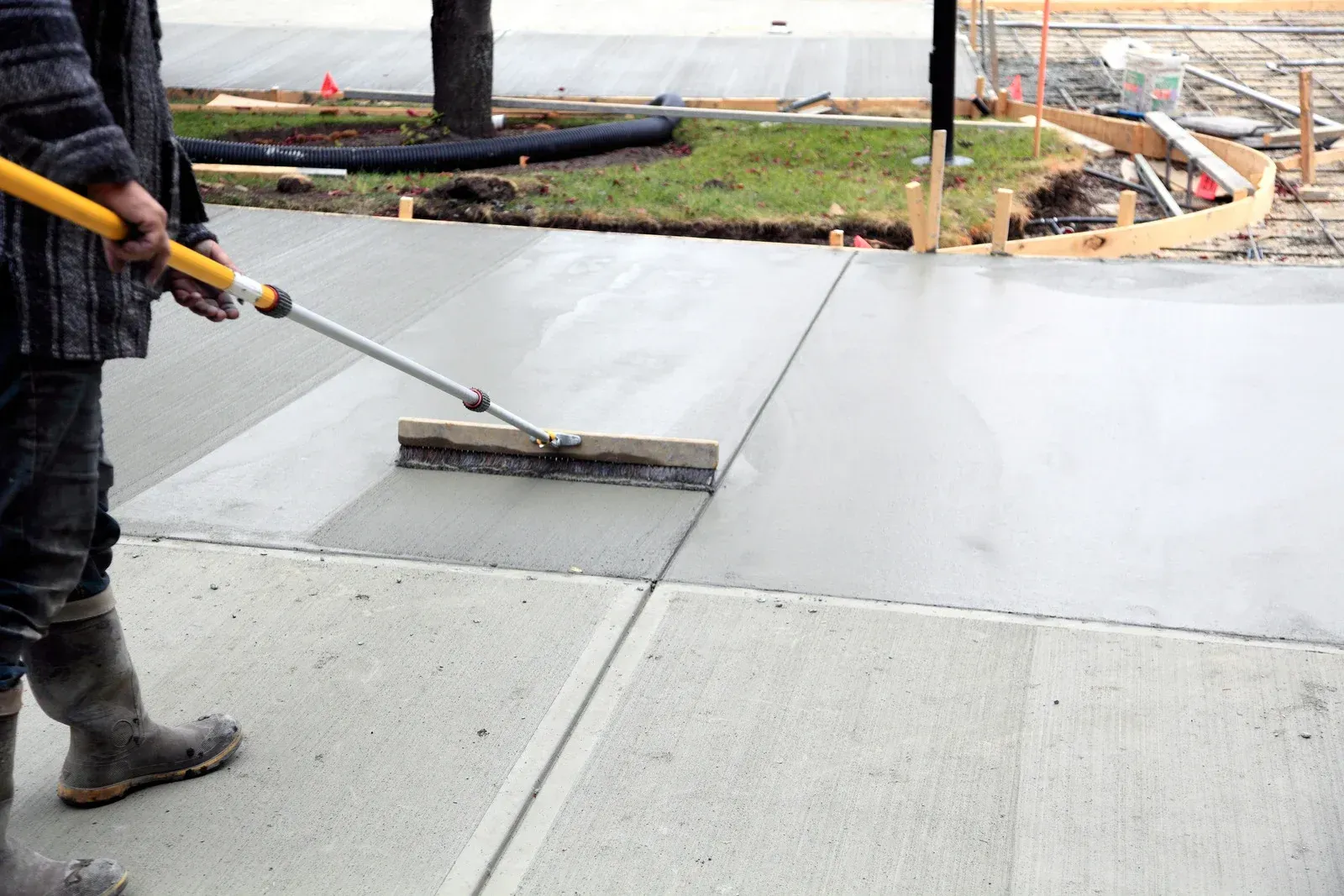
The effectiveness of surface drainage depends on proper grading. Water naturally flows from higher elevations to lower ones, so shaping the land to direct runoff is essential. In urban environments, paved surfaces like driveways and sidewalks are often sloped to guide water into drains.
Real-World Application
In residential properties, surface drainage is commonly used to prevent water pooling around foundations. For example, a properly graded yard combined with a French drain alternative such as a channel drain can prevent water from seeping into basements.
Benefits of Surface Drainage
Surface drainage systems are typically easier to install and maintain compared to subsurface options. They provide immediate results by removing visible water quickly and are often more cost-effective for areas with heavy rainfall or poor natural runoff.
Understanding Subsurface Drainage Systems
What Is Subsurface Drainage?
Subsurface drainage focuses on removing water that has already infiltrated the soil. These systems are installed below ground level and are designed to control the moisture content within the soil, preventing water from accumulating around structures or plant roots.
Key Components of Subsurface Systems
Typical subsurface drainage systems include perforated pipes, gravel trenches, drainage tiles, and sump pump systems. These components work together to collect and redirect groundwater away from critical areas.
How Subsurface Drainage Functions
Water enters perforated pipes through small openings and is then transported away from the site. The surrounding gravel or filter fabric helps prevent soil from clogging the system while allowing water to pass through efficiently.
Real-World Application
In areas with high water tables or clay-heavy soils, subsurface drainage is essential. For instance, agricultural fields often rely on tile drainage systems to prevent waterlogging and improve crop yield.
Benefits of Subsurface Drainage
Subsurface systems address issues that surface drainage cannot, such as saturated soil and hydrostatic pressure. They are particularly effective in protecting foundations, as they reduce the risk of water infiltration and structural damage.
Key Differences Between Surface and Subsurface Drainage
Visibility and Installation Depth
One of the most obvious differences is visibility. Surface drainage systems are visible and installed above ground, while subsurface systems are hidden beneath the soil. This distinction affects both aesthetics and maintenance requirements.
Water Management Approach
Surface drainage deals with runoff before it penetrates the soil, whereas subsurface drainage manages water that has already seeped underground. This fundamental difference determines which system is appropriate for specific conditions.
Cost and Complexity
Surface drainage systems are generally less expensive and easier to install. Subsurface systems, on the other hand, require excavation, specialized materials, and precise installation techniques, making them more complex and costly.
Maintenance Requirements
Surface systems are easier to inspect and clean, as debris can be removed directly. Subsurface systems require periodic inspection through access points and may need professional servicing if blockages occur.
Effectiveness in Different Conditions
Surface drainage works best in areas with heavy rainfall and poor runoff, while subsurface drainage is ideal for locations with persistent soil saturation or high groundwater levels. In many cases, combining both systems provides the most comprehensive solution.
Advantages and Limitations of Each System
Advantages of Surface Drainage
Surface drainage offers simplicity and immediate effectiveness. It is ideal for managing large volumes of water quickly and is often sufficient for properties with good soil permeability and natural slopes. Additionally, these systems can be integrated into landscape designs without significant disruption.
Limitations of Surface Drainage
However, surface drainage may not address underlying issues such as waterlogged soil or hydrostatic pressure. In areas with heavy clay soils, water may not drain effectively, leading to persistent problems despite surface solutions.
Advantages of Subsurface Drainage
Subsurface drainage excels in managing groundwater and preventing long-term structural damage. It is particularly valuable for properties with basements or foundations prone to water infiltration. By controlling soil moisture levels, these systems also support healthier plant growth.
Limitations of Subsurface Drainage
The primary drawbacks include higher installation costs and the need for professional expertise. Improper installation can lead to system failure, making it essential to ensure correct design and execution.
Balancing Both Systems
In many scenarios, the most effective approach involves combining surface and subsurface drainage. For example, surface systems can handle immediate runoff, while subsurface systems manage residual moisture, creating a comprehensive water management strategy.
Choosing the Right Drainage Solution
Assessing Site Conditions
Selecting the appropriate drainage system begins with a thorough assessment of site conditions. Factors such as soil type, slope, rainfall patterns, and water table levels play a crucial role in determining the best approach.
Matching Solutions to Problems
For properties experiencing surface water accumulation, solutions like grading and channel drains may be sufficient. Conversely, issues such as basement flooding or persistent dampness often require subsurface systems.
Considering Long-Term Performance
While initial costs are important, long-term performance should be the primary consideration. Investing in the right system can prevent costly repairs and maintenance in the future.
Professional Evaluation and Design
Accurate drainage design requires expertise in hydrology and soil mechanics. Professional evaluation ensures that systems are tailored to specific conditions, maximizing efficiency and durability.
Best Practices for Implementation
Best practices include proper grading, using high-quality materials, and ensuring regular maintenance. Combining systems when necessary and planning for future changes in weather patterns can further enhance effectiveness.
Common Mistakes and How to Avoid Them
Ignoring Soil Type
One of the most common mistakes is failing to consider soil composition during project planning. Clay soils, for example, retain water and require more advanced drainage solutions compared to sandy soils, which drain more quickly and naturally.
Poor Installation Techniques
Improper installation, such as incorrect pipe placement or inadequate slope, can render a drainage system ineffective over time. Precision during installation is critical for optimal performance and long-term system reliability.
Lack of Maintenance
Neglecting maintenance can lead to clogged drains and reduced efficiency across the entire drainage system. Regular inspection and cleaning are essential for both surface and subsurface systems to function properly.
Overlooking Integration
Another mistake is treating drainage systems as standalone solutions without considering the overall property design. Integrating drainage with landscaping and structural design ensures better results and prevents future costly issues.
Underestimating Water Volume
Failing to account for heavy rainfall or extreme weather events can result in undersized and ineffective drainage systems. Designing for peak conditions ensures that drainage systems remain effective under stress and changing climates.
Trusted Drainage Experts Delivering Long-Term Property Protection
Understanding the difference between surface and subsurface drainage solutions is essential for effective water management. Each system serves a distinct purpose, with surface drainage addressing immediate runoff and subsurface drainage managing water within the soil. By evaluating site conditions and specific challenges, we can determine the most appropriate approach or combination of systems. Proper design, installation, and maintenance are critical to ensuring long-term performance and preventing costly damage.
Investing in the right drainage solution not only protects structures but also enhances the usability and value of a property. As environmental conditions continue to evolve, adopting a strategic and informed approach to drainage becomes increasingly important. With the right knowledge and planning, we can create systems that are both efficient and sustainable.
For property owners seeking reliable drainage expertise, Garcia's Foundation and Drainage
in Dallas, TX brings 35
years of industry experience to every project. We understand the complexities of both surface and subsurface drainage systems and apply proven techniques to deliver lasting results. Our approach focuses on accurate assessment, customized solutions, and precision installation to ensure optimal performance. Whether addressing foundation concerns, managing excess water, or improving overall site drainage, we prioritize quality and long-term value. With decades of hands-on experience, we remain committed to delivering dependable solutions that protect properties and provide peace of mind.