
Doors and Windows Sticking as the Seasons Change? Why Clay Soil Moves Your Foundation
Quick Answer: Doors and windows that stick at the same time every year are usually reacting to soil movement under the foundation, not to humid air swelling the wood. North Texas sits on some of the most active shrink-swell clay in the country, and that clay expands when it takes on water and contracts as it dries out, moving unevenly across a home's footprint. If the sticking comes and goes with the seasons and the floors stay level, you're most likely watching a moisture pattern that a little drainage work can settle down. If it worsens every year, spreads to more doors, or shows up with diagonal cracks at the frame corners, the foundation itself is moving and the cause is worth tracking down before it goes further.
It starts with one door. The one off the kitchen that swung free in March starts catching on the strike plate by the middle of July. A few weeks later, the window over the sink won't slide past halfway. You plane the door down, get through the season, and by January that same door is loose in its frame with a gap along the latch side you can slide a nickel through. Nothing about the house looks broken, so it gets filed away as an old-house quirk.
That yearly swing isn't a quirk. A door is built to a tolerance of a couple of millimeters, hung in a frame that's tied to the wall, which is tied to the floor system, which sits on the foundation, which sits on soil. When the soil underneath changes shape, everything stacked on top of it moves a little too. Across Dallas-Fort Worth, that soil is doing more moving than almost anywhere else in the country, and reading the pattern in your doors tells you whether it's a seasonal nuisance or a foundation that needs a closer look.
Why a Door That Fits in Winter Won't Close in August
Wood does absorb moisture, and an old solid-wood door in an unconditioned space can swell a little in a humid month. But that effect is small and even — it makes a door rub all the way around its frame, not bind hard on one corner while a gap opens on the other.
Read the reveal, not just the stick
The reveal is the gap between the door slab and the jamb. Sight down it with the door closed. If it's tight at the top of the latch side and wide at the bottom, or if the diagonal has gone visibly out of true, the opening itself is no longer square. No amount of summer humidity does that to a rectangle — something underneath the frame has shifted, even slightly.
Windows report the same thing from a different height
A double-hung window that won't slide, a casement that won't latch flush, or a slider that binds in one corner all reflect the same structural movement a sticking door does, just measured somewhere else on the wall.
What North Texas Clay Actually Does Under a House
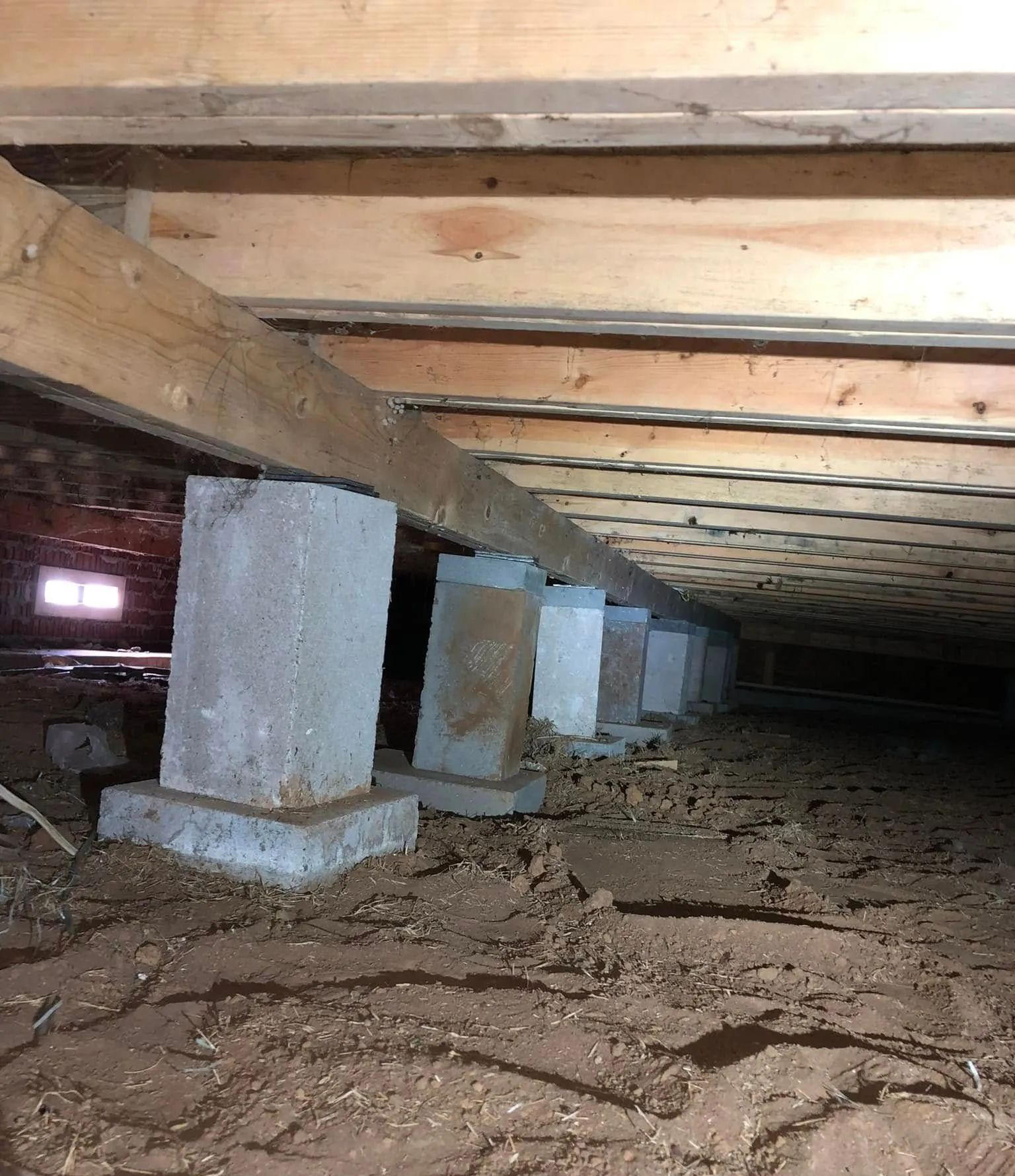
Shrink-swell clay is one of the most widespread geologic hazards in the United States. Research compiled by the University of Texas at Austin's Center for Transportation Research has documented that expansive clay damages more buildings and roadways in Texas than almost any other soil condition, largely because so much of North and Central Texas sits on it. Dallas-Fort Worth sits on Eagle Ford and Austin Chalk clay formations that rank among the most reactive in the state. This clay contains a high percentage of montmorillonite, a mineral that can swell to several times its dry volume when saturated and exert pressures well beyond what a typical residential footing was designed to resist, according to research summarized by the American Society of Civil Engineers on how expansive soils affect buildings. The same clay shrinks and pulls away from the foundation edge when it dries out in a Texas summer, leaving parts of the slab or pier system without the support it had in the spring.
Uneven movement is the real problem.
If every square foot of soil under a home swelled and shrank by the same amount at the same time, the whole structure would ride up and down evenly and nothing would crack or bind. That never happens. The south-facing wall bakes in direct sun while the north side stays shaded and damp. A downspout keeps one corner of the yard soaked through a wet spring. A mature oak pulls water out of the soil on one side of the house all summer. Each of those conditions puts a different patch of clay on a different wet-dry schedule, and that difference in timing is what pushes a door frame out of square while the rest of the house looks fine.
What's Actually Driving the Moisture Swing Around Your House
The clay is the mechanism, but water management is almost always the part you can do something about. In order of how often they show up behind a seasonal sticking pattern:
Roof Water Landing Right At The Foundation
A gutter that overflows or a downspout that dumps water at the base of the wall soaks the same few feet of clay every time it rains. That patch stays wetter and more expanded than the soil ten feet away, and the frame above it moves accordingly.
Grading That Slopes Back Toward The House
Yards settle over the years, flower beds get built up higher than the siding, and ground that used to shed water starts collecting it against the foundation instead. Water that can't run off sits and soaks in slowly.
Trees Positioned Close To The Slab
A large tree draws a surprising volume of water out of the soil through the growing season, and clay under the drip line shrinks in response. A house with a big shade tree on one side and open lawn on the other carries a built-in moisture imbalance every summer, and that imbalance shows up as movement concentrated near the tree.
Plumbing Or Irrigation Leaks Under The Slab
A slow supply-line leak or a sprinkler head running against the foundation keeps one section of clay saturated year-round, which unsettles a house just as effectively as a section that dries out too much.
Foundation Watering That's Inconsistent Or Missing Entirely
Homes that get watered heavily during construction season and then not at all once drought sets in see the sharpest shrink-swell swings, because the clay goes from saturated to bone-dry with nothing in between.
Tip: Kneel down at any interior door that sticks seasonally and sight along the top and side gaps with the door closed. A uniform gap that just gets tighter all around in summer points to humidity. A gap that's wide on one side and pinched on the other, especially if it changes with the seasons, is worth mentioning to a foundation contractor even if the floors still feel level.
What Actually Corrects the Cycle
There's no single fix, because the right approach depends on how far the movement has gone and what's driving it. The order of operations, though, is consistent.
Control The Water First
In most homes with seasonal sticking and no significant floor slope, steadying the moisture around the foundation solves the problem. That means gutters sized to carry the roof's water load, downspout extensions that discharge well away from the wall, regrading so the yard falls away from the house instead of toward it, and a French drain or surface drain wherever a low spot keeps sending water back to the foundation.
Even Out The Watering During Drought
A soaker hose run around the foundation perimeter during extended dry spells keeps the clay from shrinking away from the slab edge, which is one of the more affordable ways to slow seasonal movement before it becomes structural.
Address What's Already Settled
When movement has gone far enough that the structure won't come back on its own, the load needs to be carried by something more reliable than the top few feet of soil. Steel or concrete piers are driven down through the moisture-active zone to denser soil that doesn't shift with the weather, then connected to the footing so the home's weight transfers to ground that stays put. That's the step that permanently stops the seasonal cycle once water management alone can't hold the line anymore.
Warning: Shimming the door, planing the edge, or patching the crack over the frame treats the symptom and erases the evidence you need to diagnose the cause. If the opening is out of square because the structure is moving, a planed door will simply bind on the opposite edge when the season turns, and a patched crack tends to reopen a little farther along the same line. Handle the water and the movement first — the trim work comes last.
When It's Time to Call Someone
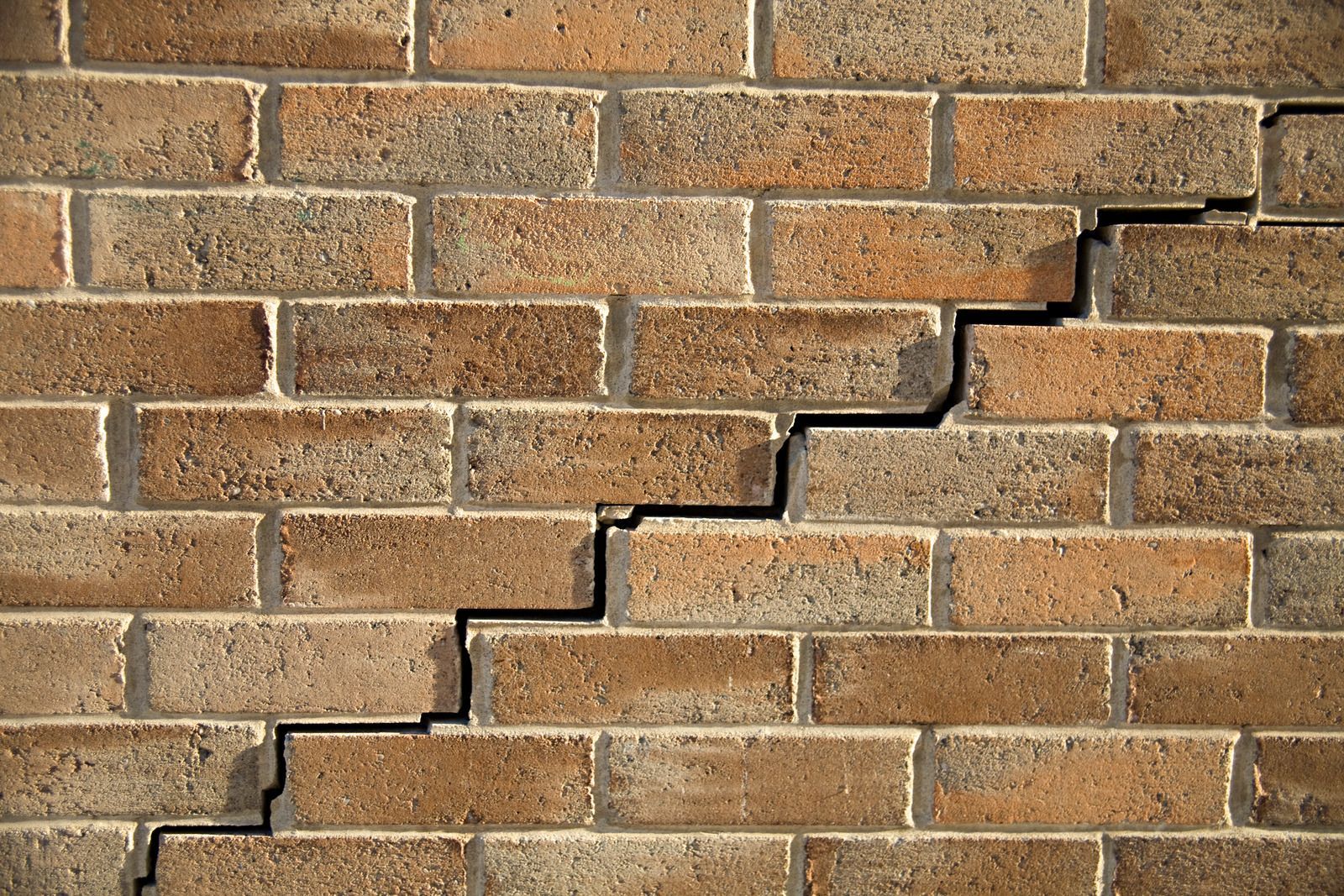
A single door that sticks in August and swings free by December, with floors that still feel level, is usually a drainage story. It's worth paying closer attention when the sticking spreads to two or three doors on different sides of the house, when the seasonal swing stops fully reversing each winter, when you notice diagonal cracks radiating from door or window corners, or when a floor has developed a slope you can feel by rolling a ball across it. Those signs point past simple moisture management toward foundation movement that a professional inspection and elevation survey can confirm.
Frequently Asked Questions
Is my door sticking from humidity or foundation movement?
Check the door reveal when closed. Humidity usually causes fairly even rubbing, while foundation movement can make the opening uneven, causing tightness in one area and a wider gap elsewhere.
Should I worry if the sticking goes away completely by winter?
Not necessarily, but monitor the pattern. If sticking becomes worse each year, affects additional doors, or never completely reverses, it may indicate ongoing foundation movement rather than normal seasonal soil changes.
Does clay soil in North Texas really move enough to cause this?
Yes. Expansive clay can swell when wet and shrink during dry periods. Uneven moisture around a foundation can create movement that affects doors, windows, floors, walls, and other structural components.
Will taking down a tree near my house fix the sticking?
Not always. Trees can significantly affect soil moisture, but removing one can allow previously dry soil to rehydrate and swell. That change may temporarily create additional movement before conditions stabilize again.
Can I just adjust the door and be done with it?
You can adjust the door, but that only addresses the symptom. If foundation movement is causing the frame to shift, the sticking can return when soil moisture changes during another seasonal cycle.
How do I know if I need drainage work or foundation piers?
Seasonal sticking with level floors may point toward drainage or moisture issues. Sloping floors, widening cracks, persistent gaps, or worsening movement may indicate settlement requiring professional evaluation and possible pier support.
What Your Doors Are Telling You About Foundation Movement
A sticking door can be a seasonal annoyance, but it can also reveal how the soil beneath your home is responding to changing moisture. In Dallas, TX, expansive clay can swell during wet periods and shrink through dry spells, creating uneven movement beneath the foundation. When that movement changes the shape of a door or window opening, the problem may return with every season rather than disappearing for good.
The important thing is to watch the pattern rather than focusing only on the door itself. If several openings begin sticking, gaps change from one season to another, or cracks appear around frames, those changes can indicate movement beneath the structure. Garcia's Foundation and Drainage
has 35
years of experience helping homeowners understand these patterns and address the underlying conditions affecting their foundations.