
Tunneling Services Explained: When and Why You Might Need Them
Tunneling services are a critical component of modern construction and infrastructure development. From urban utility projects to complex civil engineering works, tunneling allows for the installation of essential services such as water lines, sewage systems, electrical conduits, and communication cables without disrupting surface-level operations. As cities expand and infrastructure demands grow, tunneling has emerged as a practical and efficient solution for navigating congested or sensitive areas, reducing environmental impact while maintaining operational continuity above ground.
Understanding when and why tunneling is necessary can save property owners, contractors, and municipal planners considerable time, money, and potential headaches. Whether it involves residential drainage solutions, commercial underground pipelines, or large-scale urban development, the decision to employ tunneling services often hinges on site conditions, project complexity, and long-term infrastructure goals. By exploring the types, applications, benefits, and challenges of tunneling, stakeholders can make informed choices that ensure structural safety, cost-effectiveness, and sustainable outcomes. In this guide, we’ll break down the essentials of tunneling services, highlight practical scenarios, and offer expert insights to help you determine if tunneling is the right approach for your next project.
Understanding Tunneling Services
What Are Tunneling Services?
Tunneling services refer to the specialized excavation and construction techniques used to create underground passageways or install subterranean utilities efficiently and safely. These services are not limited to large-scale subway or highway projects; they also include small-scale, precision tunneling for residential or commercial purposes, offering minimal disruption to everyday activities. The primary objective is to achieve a seamless underground installation while minimizing surface disruption, structural damage, and environmental impact wherever possible.
Types of Tunneling Techniques
Several tunneling methods are employed depending on soil conditions, project size, and utility requirements to ensure safety and efficiency:
Trenchless Tunneling: This method involves minimal surface excavation and is commonly used for laying pipes, conduits, or cables, reducing disruption in urban or landscaped areas and saving time for property owners. It is cost-effective for small to medium-scale projects and includes techniques such as horizontal directional drilling (HDD) and pipe jacking, which are highly precise and reliable.
Cut-and-Cover Tunneling: Suitable for shallow tunnels, this approach involves excavating a trench, installing the tunnel structure, and then covering it with the original surface material, restoring the area quickly. It is widely used for urban roads, metro stations, and utility corridors, providing a practical solution for projects where surface-level work is unavoidable.
Bored Tunneling: For deeper underground structures, tunnel boring machines (TBMs) create precise, circular tunnels with minimal ground disturbance. This method is ideal for long-distance pipelines, subway systems, and large-scale civil engineering projects, ensuring accurate alignment and structural safety throughout the construction process.
Microtunneling: A highly accurate, remotely controlled form of tunneling, microtunneling is often applied for pipelines under roads, rivers, or sensitive landscapes where surface disruption must be minimal and precision is critical to avoid existing utilities.
By understanding the variety of tunneling methods available, property owners and contractors can identify the most suitable approach for their project, effectively balancing cost, efficiency, and long-term safety considerations.
Common Scenarios for Tunneling Services
Residential Applications
Tunneling services are often employed in residential settings for drainage, sewer line replacement, and utility installation, providing homeowners with efficient, low-impact solutions. For residents dealing with foundation water intrusion, an underground drainage tunnel can redirect water away from the property without requiring extensive yard excavation or landscaping removal. Similarly, replacing aging sewer lines using trenchless tunneling minimizes damage to lawns and reduces overall project time significantly.
Example: A homeowner in a developed neighborhood may need to replace a broken sewer pipe beneath their driveway. Instead of tearing up the driveway, trenchless tunneling allows for a new pipe to be installed with minimal surface disruption, saving both time, cost, and unnecessary property disturbance.
Commercial and Municipal Applications
Commercial properties and municipalities also rely heavily on tunneling for infrastructure projects. Installing underground electrical conduits, communication cables, and water lines often requires navigating existing utilities, roads, and buildings carefully to prevent operational disruptions. Tunneling ensures that essential services are upgraded or expanded without interrupting business operations, municipal services, or traffic flow, which could otherwise cause significant inconvenience.
Example: A city upgrading its fiber-optic network might use microtunneling beneath busy streets to prevent road closures, ensuring seamless service continuity for residents, businesses, and emergency services during construction.
Industrial Projects
Industrial sites often face complex underground requirements, such as installing high-capacity pipelines or creating maintenance tunnels for machinery and equipment. Tunneling provides a controlled, safe method for underground construction in these environments, avoiding costly surface disruptions that could negatively impact production or site operations.
Understanding the variety of scenarios where tunneling is essential helps stakeholders appreciate its versatility, strategic importance, and practical benefits in modern construction planning and urban development.
Benefits of Tunneling Services
Reduced Surface Disruption
One of the primary advantages of tunneling is the minimal disruption to surface-level activities, which is especially valuable in densely populated or heavily landscaped areas. Trenchless methods and microtunneling allow underground installations without large-scale excavation, preserving existing roads, sidewalks, and vegetation for continued normal use during construction.
Example: Installing a new water main beneath a busy urban street using trenchless technology prevents traffic delays, reduces the need for temporary road closures, and minimizes inconvenience for residents, businesses, and pedestrians alike.
Cost and Time Efficiency
Although tunneling can have higher upfront equipment costs, it often reduces long-term expenses by minimizing extensive excavation, surface restoration, and labor-intensive work. Projects are typically completed faster compared to traditional open-cut methods, enabling stakeholders to save both money and time while reducing the overall environmental and logistical impact of construction.
Environmental Impact
Tunneling is environmentally friendly because it reduces soil displacement, preserves existing vegetation, and limits erosion, contributing to sustainable construction practices. For environmentally sensitive areas, underground installation methods provide a sustainable and responsible solution for infrastructure expansion while protecting ecosystems and maintaining compliance with environmental regulations.
Structural Integrity and Safety
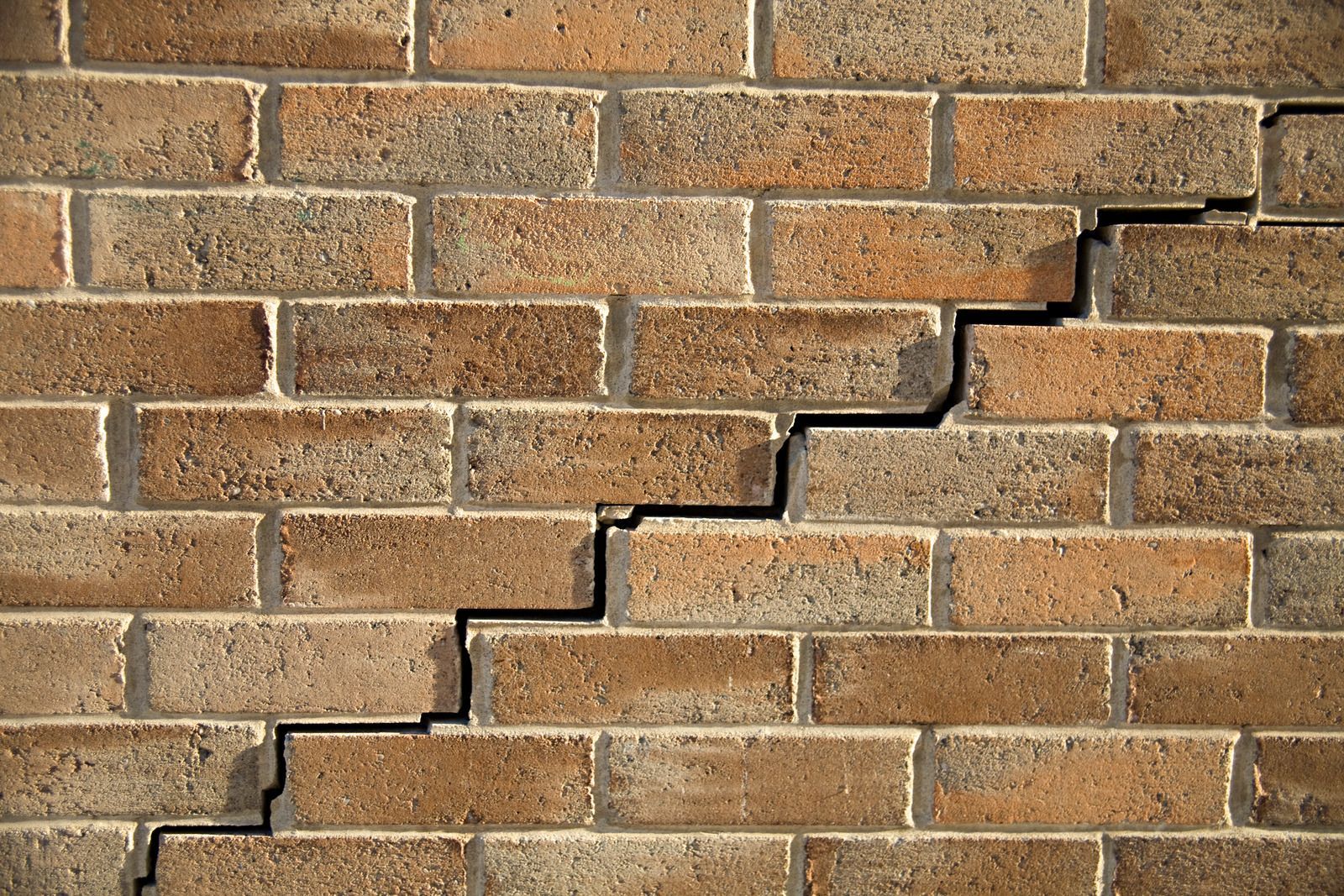
Advanced tunneling techniques, such as microtunneling and bored tunneling, maintain soil stability and prevent damage to existing structures. By using precision equipment, engineering analysis, and continuous monitoring, projects minimize the risk of settlement, cracking, or other structural issues that could compromise the safety of nearby buildings or utilities.
Expert Insight: Engineers often recommend tunneling in areas with dense urban development, heavy traffic, or unstable soil conditions to prevent property damage, maintain operational safety, and ensure project longevity.
Scalability and Flexibility
Tunneling services can be adapted to projects of varying scales, ranging from small residential pipelines to large urban infrastructure projects. The flexibility of methods like HDD or TBM allows contractors to navigate obstacles, curves, and varying soil types without compromising the project timeline or structural integrity.
Challenges and Considerations in Tunneling
- Soil and Ground Conditions:- Different soil types pose unique challenges for tunneling projects. Sandy or loose soils may require reinforced tunnel walls, while rocky or clay-heavy conditions might necessitate specialized boring equipment and techniques. Conducting thorough soil testing is essential to determine the feasibility of tunneling methods and avoid costly delays or safety hazards during construction.
- Cost and Equipment:- While trenchless and specialized tunneling methods offer long-term savings, the initial investment in equipment, technology, and technical expertise can be significant. Contractors must carefully evaluate project size, method suitability, and budget considerations to ensure a cost-effective solution that meets both immediate and future infrastructure needs.
- Regulatory and Permitting Requirements:- Underground construction often involves strict regulatory compliance, including permits, utility mapping, environmental approvals, and municipal inspections. Failure to adhere to these requirements can lead to fines, project delays, or legal complications, emphasizing the need for thorough planning and coordination before project initiation.
- Risk Management:- Tunneling projects involve risks such as groundwater intrusion, cave-ins, accidental utility damage, or unforeseen subsurface obstacles. Experienced contractors employ safety protocols, monitoring equipment, and contingency plans to mitigate these risks effectively while maintaining productivity and compliance with industry standards.
Example: A commercial pipeline installation beneath a city street might require continuous monitoring for soil movement, vibration, and groundwater intrusion to prevent disruption, property damage, or safety hazards during tunneling operations.
Best Practices for Tunneling Projects
Pre-Project Planning
Effective planning forms the foundation of any successful tunneling project. This includes conducting detailed site surveys, soil testing, utility mapping, and selecting the appropriate tunneling method based on site conditions, project scope, and long-term objectives. Comprehensive planning ensures accurate cost estimates, reduced risks, and timely completion of the project.
Choosing the Right Contractor
Selecting an experienced and licensed contractor is crucial for the success of tunneling projects. Skilled professionals bring expertise in equipment, soil conditions, engineering practices, and regulatory compliance, ensuring a safe, efficient, and high-quality installation that meets project requirements.
Monitoring and Maintenance
During construction, continuous monitoring of tunnel alignment, structural integrity, and surrounding soil is essential to prevent issues and ensure safety. After project completion, regular inspections and maintenance help prevent future problems such as pipe blockages, tunnel degradation, or erosion, extending the service life of the installation.
Communication and Coordination
Successful tunneling projects require clear communication and coordination with property owners, municipalities, contractors, and utility providers. Transparent collaboration minimizes disruptions, ensures regulatory compliance, and helps maintain project timelines while fostering a cooperative environment among all stakeholders involved.
Skilled Professionals Offering Comprehensive Underground Services
When it comes to expert tunneling services, Garcia's Foundation and Drainage in Dallas, TX stands as a trusted authority with over 35 years of experience. Our team specializes in safe, efficient, and innovative underground solutions tailored to residential, commercial, and municipal projects. From precise pipe installations to comprehensive drainage systems, we combine advanced techniques with hands-on expertise to deliver results that minimize disruption and ensure long-lasting performance. We understand that every property and project is unique, which is why we prioritize meticulous planning, soil analysis, and clear communication throughout each stage. Our commitment to quality, safety, and reliability has earned the trust of countless clients across Dallas and the surrounding areas. By choosing Garcia's Foundation and Drainage, you’re partnering with a team dedicated to excellence, ensuring your tunneling project is completed on time, within budget, and with the highest standards of craftsmanship. Let us help you transform complex underground challenges into seamless, durable solutions.